
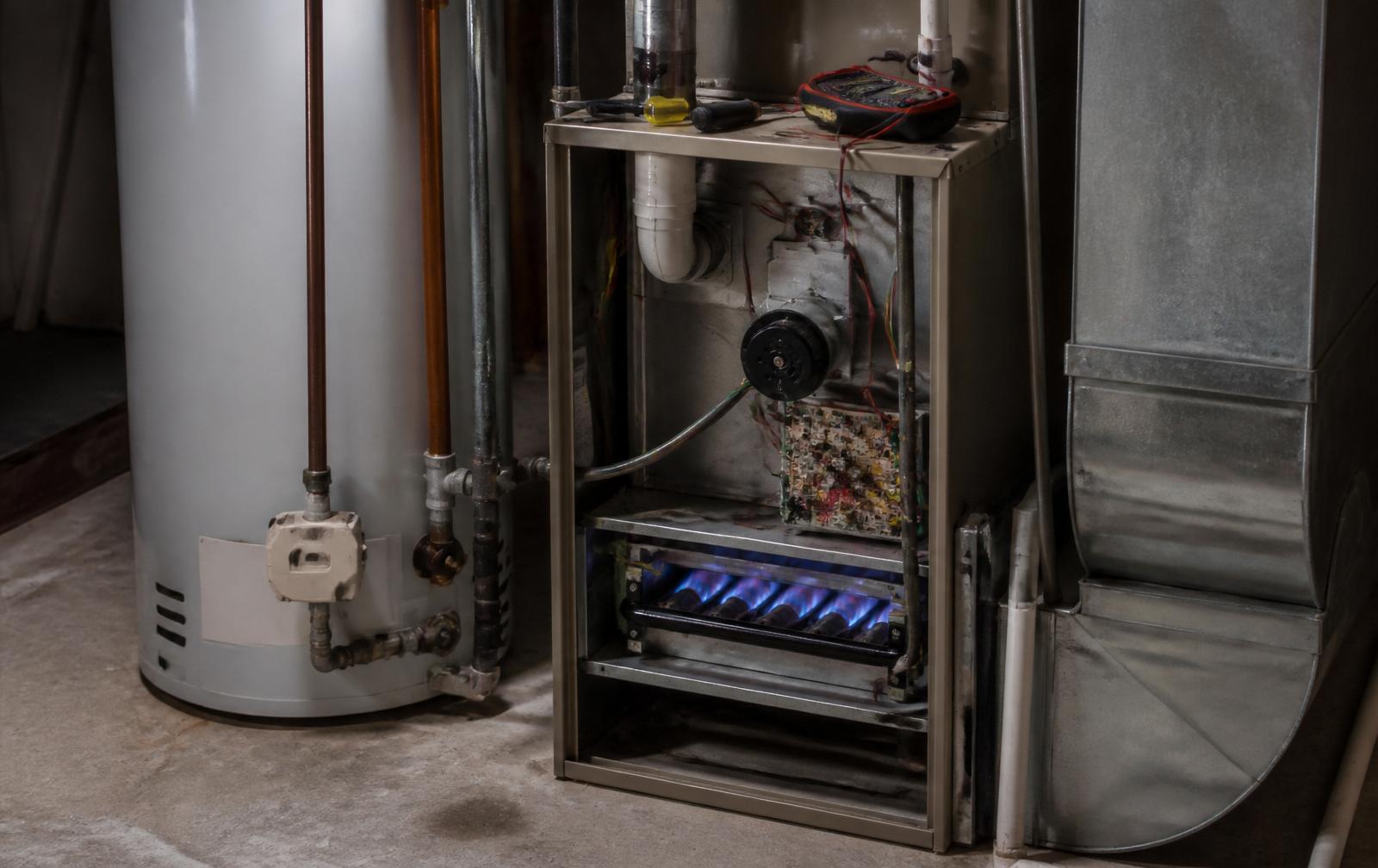
Every fall we get the same call from Powder Springs homeowners: 'I turned on the heat for the first time and it smells like something's burning.' Sometimes it's just dust burning off the heat exchanger — normal and harmless. Other times it's a cracked heat exchanger, a failing inducer motor, or a flame sensor covered in soot. The difference between the two is a $0 fix and a call for emergency heating repair on the coldest night of the year.
A fall furnace tune-up in Powder Springs isn't optional maintenance — it's the cheapest insurance policy in the HVAC world. Here's what a proper one covers, what we find most often, and why 'my furnace ran fine last winter' isn't a reason to skip it.
Why Powder Springs furnaces need annual attention
Furnaces in Cobb County run maybe 800–1,200 hours per season — a fraction of what an AC does. That sounds like less wear, but it works against you: components sit unused for 8–9 months, mice and insects settle into the burner compartment, and the first cold snap in November demands everything at once. Manufacturers require annual maintenance to keep the parts warranty in force, and every furnace in Powder Springs — natural gas, propane, or electric — benefits from a full checkout before the season starts.
What's actually included in a real furnace tune-up
A 15-minute filter swap isn't a tune-up. Here's what our fall visit covers on a natural gas furnace:
- Combustion analysis with a calibrated analyzer — carbon monoxide, oxygen, flue temperature
- Heat exchanger visual and camera inspection for cracks or corrosion
- Burner cleaning and flame pattern check
- Flame sensor cleaning (single biggest cause of intermittent shutdowns)
- Inducer motor amp draw and bearing check
- Blower motor amp draw, capacitor test, and wheel cleaning
- Gas pressure verification at the manifold
- Ignitor inspection and continuity test
- Thermostat calibration and staging verification
- Condensate line clearing on 90%+ efficiency furnaces
- Safety switch and pressure switch verification
- Air filter check and replacement recommendation
The 4 problems we find most often in Powder Springs furnaces
1. Dirty flame sensor
A flame sensor is a small metal rod that proves the burner is actually lit. When it's coated in oxidation, the furnace lights, runs for 30–60 seconds, then shuts down and locks out. It's a five-minute clean during maintenance — or a mid-winter emergency call if you skip it.
2. Weak or failing inducer motor
The inducer draws combustion gases out of the heat exchanger. If it's weak, the pressure switch never closes and the furnace refuses to light. We catch this on an amp draw test in the fall — long before it strands you in January.
3. Cracked heat exchanger
This is the safety-critical one. A cracked heat exchanger can leak carbon monoxide into your home's supply air. On any furnace over about 12 years old — common in Powder Springs subdivisions built in the early 2000s — we inspect the exchanger with a camera. If we find a crack, we shut the furnace down on the spot and give you replacement options. No pressure, no upsell — but we will not certify a compromised heat exchanger as safe.
4. Failed ignitor
Hot surface ignitors are consumables — they get brittle and eventually crack. A weak ignitor still lights the burner most of the time, so it's easy to miss until the morning it doesn't. Testing continuity in the fall catches this before it becomes a no-heat call.
What happens if you skip the tune-up?
In Powder Springs, it's usually one of three outcomes: a preventable no-heat call during a cold snap (higher rates, longer wait), a warranty denial when a major component fails (manufacturers require documented annual service), or — worst case — a carbon monoxide issue that a tune-up would have caught. Every year we see furnaces where a $0-parts, 45-minute cleaning would have avoided a several-hundred-dollar emergency repair.
When to schedule your Powder Springs furnace tune-up
Ideal window: September through early November. Once nighttime temperatures drop into the 30s, our schedule fills fast, and by the first freeze we're running emergency no-heat calls back to back. If you want a mid-week appointment at standard rates, book by late October.
Talk to a locally owned team, open every day.